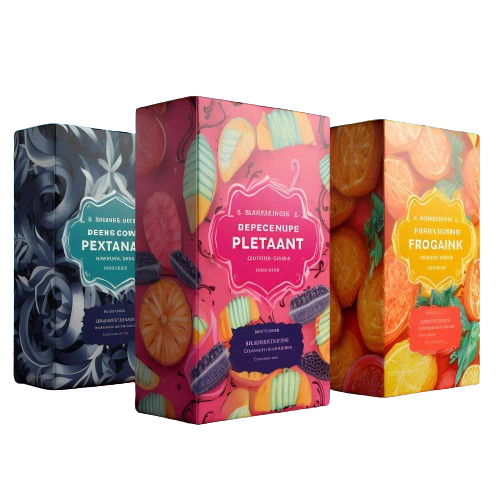


How Retail Display Boxes Boost Shelf Visibility, Engagement & Sales
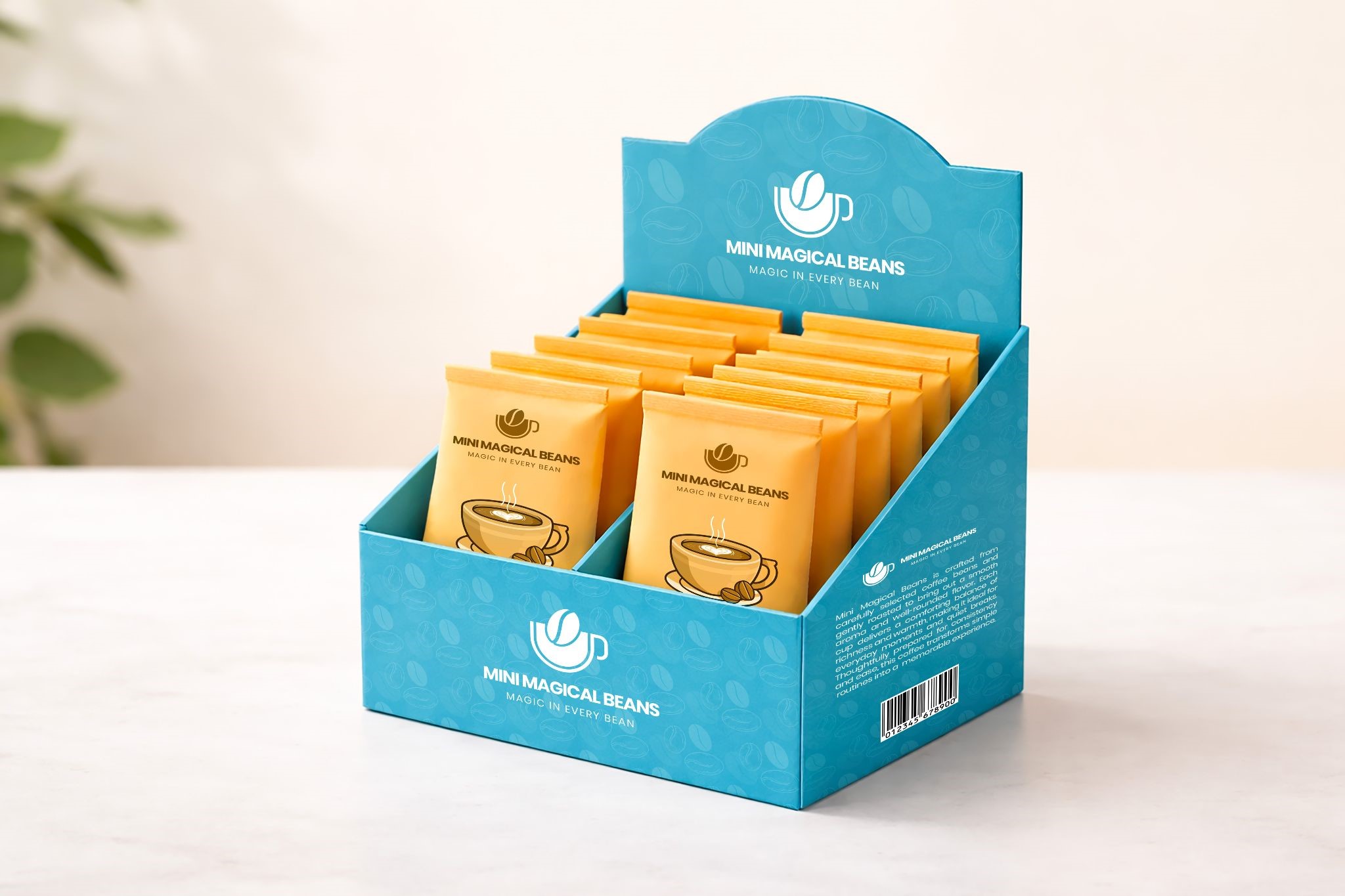
Retail display boxes have become essential merchandising tools for brands competing in crowded, fast-moving retail environments. As shoppers make decisions within seconds, brands rely on display packaging to secure visibility, guide attention, and communicate value at the precise moment of purchase. Unlike traditional packaging, printed cardboard and corrugated display boxes combine structural engineering with strategic messaging to launch new products, highlight promotions, and influence impulse buys across grocery stores, pharmacies, convenience shops, beauty aisles, and pop-up retail settings. By blending stability, optimized placement, and compelling visual communication, countertop display boxes help brands capture shopper interest and convert it into immediate sales.
Why Retail Display Boxes Are Essential for Driving In-Store Sales
Shoppers now rely heavily on visual cues, accessibility, and quick product understanding. Point-of-sale (POS) display boxes position products directly in the customer’s line of sight at checkout counters, aisle end-caps, and high-traffic promotional zones, making them a critical part of retail marketing.
Display boxes are especially effective for:
- Small, fast-moving items
- Seasonal or limited-edition launches
- Sample sizes or promotional bundles
- New product introductions
- Subscription trial packs
- Cosmetics, supplements, snacks, and accessories
Because impulse purchases account for 60–70% of items placed near checkout, display packaging offers exceptional ROI. Cosmetics display boxes significantly increase shopper engagement for beauty and skincare brands, often resulting in a 20-30% increase in product launch-week sales.
Great packaging creates interest, but strategic placement creates sales. Pre-filled display boxes perform best when positioned where shoppers naturally pause or make decisions. Key high-conversion placements include:
- Checkout counters – trigger last-minute impulse buys
- Aisle end-caps – help products break through visual clutter
- Point-of-purchase zones – ideal for snacks, small accessories, and wellness products
- Cross-merchandising spots – e.g., beauty tools near skincare, drinks near snacks
Retailers increasingly request ready-to-place pre-assembled display boxes, as they reduce setup time, labor, and inconsistencies across multiple stores.
Modern Design & Messaging Principles That Make Display Boxes Sell
Modern retail display boxes must work harder than ever, combining aesthetics, functionality, and brand communication in mere seconds. High-impact display packaging design starts with bold, clean typography that communicates product benefits instantly, supported by vibrant colors or minimal luxury palettes that match the brand’s identity. Illustrations, patterns, and lifestyle imagery help target the right audience, while strong structural engineering ensures products stay upright, organized, and easy to grab.
Playful, bright visuals work especially well for kids’ categories such as candy, toys, and stationery, while wellness, beauty, and tech brands often lean toward clean, sophisticated layouts to signal quality. Regardless of category, the goal is the same: capture attention quickly and guide the shopper toward a decision.
Messaging should be clear, concise, and instantly recognizable from a distance. Highlight the product’s main benefits, add pricing if it influences quick purchase decisions, and incorporate sustainability badges or ingredient icons when relevant. Certifications like organic, vegan, or halal help build trust, while promotional tags like “Buy 2 Get 1” can boost impulse purchases. QR codes offer an interactive touchpoint that links shoppers to instructions, reviews, demos, or brand pages. Above all, avoid clutter. Customers only spend a fraction of a second deciding whether to engage with a product; clarity and hierarchy always outperform overly busy designs.
Types of Display Boxes
Custom retail display boxes for product promotion come in several styles, each designed to improve product visibility, boost impulse purchases, and enhance brand presentation in retail environments. Choosing the right type ensures your product stands out, whether it's placed on a counter, shelf, or aisle endcap. Most commonly used display packaging types include:
Point-of-sale Display Boxes (POS Counter Displays): Perfect for point-of-sale areas, these compact displays encourage impulse buys for small items such as cosmetics, snacks, accessories, and travel-sized products.
Shelf Display Boxes: Designed to sit directly on retail shelves, they provide elevated branding and organization for products that need a strong visual presence within standard aisles.
Floor Standing Display Units (FSDUs): Larger freestanding displays are ideal for promotions, seasonal items, or high-volume products. These maximize visibility from multiple angles in busy retail environments.
Dispenser Display Boxes: Also called gravity feed display boxes, they are built to dispense products automatically as items are removed, making them perfect for snacks, small electronics, and packaged goods that require easy access.
Display Trays: Simple, open-face trays used for organized product presentation, sampling stations, or neatly grouping multiple SKUs on shelves or counters.
Hanging Display Boxes: Designed with die-cut hanging tabs, hanging display boxes attach directly to retail peg hooks. Custom hanging display packaging is ideal for lightweight cosmetics, travel accessories, small electronics, or blister-packed items, making them easy to spot at eye level and perfect for maximizing vertical merchandising space.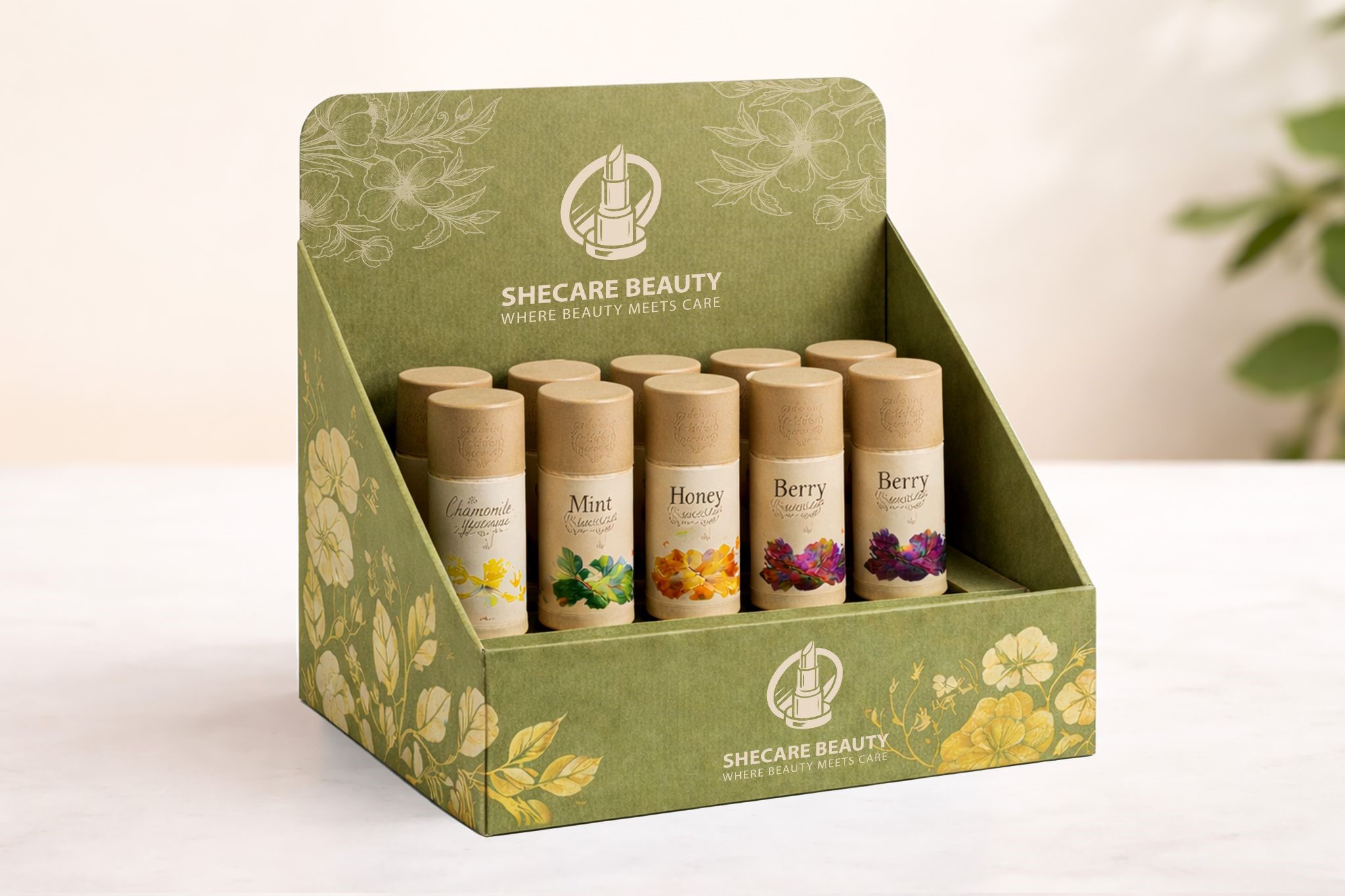
Beyond traditional formats, modern retail packaging continues to evolve with new structure and engineering techniques. These innovations allow brands to deliver more impact with less material and greater efficiency.
Retail Display Packaging Innovations That Reduce Costs and Boost Performance
Advancements in structural engineering and production technology have transformed shelf display packaging from simple cardboard stands into high-performance retail tools. Modern displays are engineered for durability, product stability, fast setup, reduced shipping volume, and improved in-store handling - all while supporting strong visual merchandising.
Pre-filled countertop displays: Engineered to ship fully loaded and ready to place, reducing retailer labor and ensuring uniform presentation across locations.
Modular & configurable units: Designed with interchangeable components that can expand, collapse, or reconfigure to fit different shelf sizes and promotional zones.
Custom die-cut windows & reinforced frames: Precision-cut openings improve product visibility while maintaining structural integrity under constant shopper interaction.
Flat-pack, lightweight construction: Optimized to ship flat, lowering freight costs and storage needs, while offering quick, tool-free assembly in stores.
Interactive engineering (QR, NFC, peel-tabs): Built-in features enable brands to add digital engagement without compromising structural performance.
These engineering advancements directly translate into stronger in-store performance, making custom display stands a strategic merchandising tool in every retail setting. In today’s retail environments, display boxes must withstand heavy handling while capturing shopper attention. Engineered displays provide reliable stability, efficient replenishment, and consistent brand presence, all essential for driving conversions in high-traffic stores.
Conclusion:
Promotional display packaging is one of the highest-ROI packaging investments. Retail brands today need packaging that attracts attention and communicates value instantly. With the right design, placement, messaging, and materials, vibrant display packaging helps products stand out, drive impulse purchases, and strengthen brand recall across any retail environment.
Frequently Asked Questions About Retail Display Boxes
Q: What are retail display boxes used for?
A: Retail display boxes are used to showcase products at high-visibility locations such as checkout counters, shelves, and aisle end-caps. Display boxes help attract shoppers' attention, communicate product benefits quickly, and increase impulse purchases for items like cosmetics, snacks, supplements, and accessories.
Q: What types of products work best in countertop display boxes?
A: Countertop display boxes work best for small, fast-moving products such as beauty items, skincare samples, snacks, candies, supplements, travel-size products, and promotional bundles. Branded counter display boxes are especially effective for new product launches and limited-edition items.
Q: What is the difference between POS display boxes and shelf display boxes?
A: POS (point-of-sale) display boxes are designed for checkout counters and impulse-buy zones, while shelf display boxes are meant to sit within standard retail shelving. POS displays focus on quick grabs, while shelf displays emphasize brand visibility and organized product presentation.
Packaging Design & Printing Services
Packagingblue offers customized commercial printing solutions to meet your business needs. Our expert team delivers top-notch design and printing services that exceed expectations. Contact us today for a free consultation.