

Reverse Tuck End Boxes
FAQ'sSpecifications Description Reviews |
|
Q:
What is a reverse tuck end box?A:
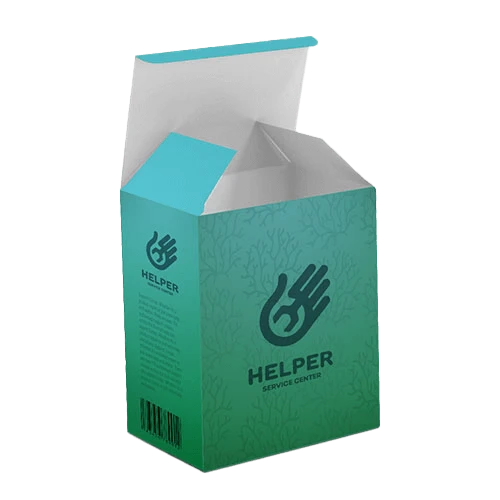
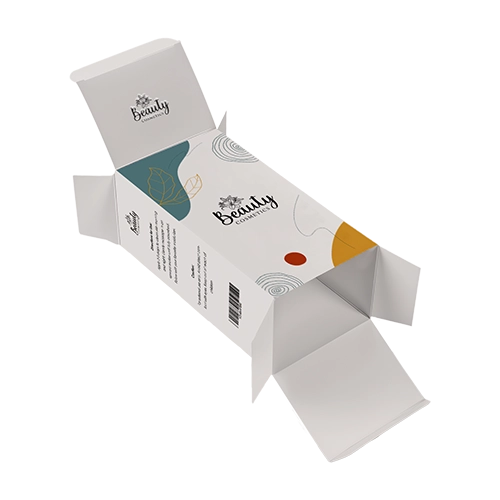
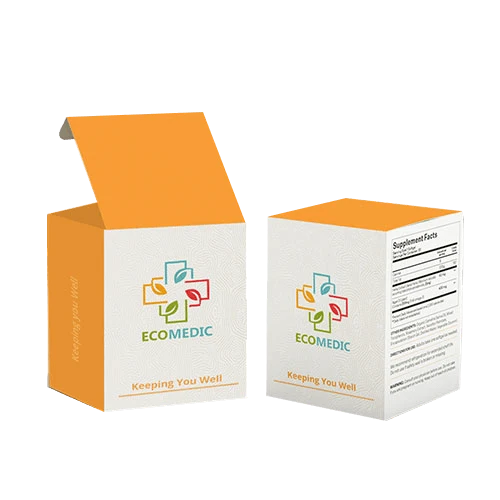
A reverse tuck end box has top and bottom flaps that tuck in opposite directions, one folding to the front and one to the back. This creates a clean, uninterrupted front panel for branding along with a tighter closure than same-direction tuck styles. Q:
What products are best suited for Reverse Tuck End boxes?A:
Reverse Tuck End boxes are ideal for cosmetics, pharmaceuticals, health supplements, electronics, stationery, personal care products, and many other lightweight retail items. The versatile structure accommodates a wide variety of product sizes while maintaining an organized and professional presentation. Q:
Are reverse tuck end boxes good for automated packing lines?A:
Yes, this is one of the most auto-loading-friendly carton styles, since the opposite folding flap geometry feeds more smoothly at high speed than same-direction tuck styles. Jams still happen with inconsistent board quality or a poorly calibrated glue nozzle, so material consistency matters as much as machine setup. Q:
What finishes make reverse tuck boxes look premium?A:
Foil stamping, embossing, debossing, and spot UV coating over a matte laminate all add tactile and visual contrast to the clean front panel this style is known for. Since the structure is common across brands, finish choices are often what makes packaging feel distinct on shelf. Q:
What's the difference between straight and reverse tuck?A:
Straight tuck flaps both fold to the back, keeping the front panel completely clean for graphics. Reverse tuck flaps fold in opposite directions, front and back, which blocks front access to contents. For most lightweight products, the functional difference is minor, so it comes down to branding preference. Q:
What materials are commonly used for Reverse Tuck End boxes?A:
Reverse Tuck End boxes are commonly produced using white cardstock, kraft stock, and other paperboard materials selected according to product weight and intended application. Choosing the appropriate stock ensures structural strength, clean folding, and high-quality print performance. Q:
Can reverse tuck boxes hang on display hooks?A:
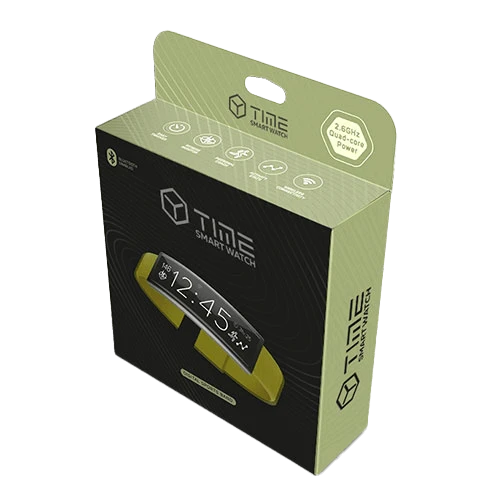
Yes, a die-cut hang tab or hanger hole can be added to the top panel during the dieline stage. This turns a standard shelf carton into peg hook-ready retail packaging, commonly used for small cosmetics, accessories, and electronics. Q:
Are child-resistant closures available for these boxes?A:
Yes, internal locking tabs or a secondary child-resistant mechanism can be engineered into the tuck structure for regulated products like certain health, wellness, or cannabis items. These add a small cost and assembly step but are realistic to manufacture within the standard reverse tuck format. Q:
Should I use CMYK or Pantone for printing?A:
CMYK reproduces full-color photography and gradients well and suits detailed artwork. Pantone uses pre-mixed solid inks for exact, repeatable brand colors across every print run. Most brands use CMYK for imagery and reserve Pantone for logos where color consistency matters most. Q:
Can I get a sample before bulk production?A:
Yes, we provide a free digital 3D mockup with every order, and a physical pre-production sample is available on request. This lets you confirm dimensions, fold accuracy, and print color before committing to a full production run. Q:
What is your production and shipping lead time?A:
Standard production takes 8 to 12 business days after proof approval, with rush turnaround available in 5 to 7 days for an added fee. Shipping time is separate and depends on your destination and chosen carrier, so plan both into your launch timeline. Q:
How do different coatings on reverse tuck boxes affect sustainability?A:
The sustainability impact depends on the coating used. Water-based varnishes offer some protection for the print and have a low environmental impact. In contrast, plastic laminate coatings provide stronger protection against cracking and moisture, but they are not recyclable or compostable in most municipal systems and can undermine an eco-friendly brand image. |