Q: What type of boxes can have cut-out windows?
A: Most types of custom boxes can have a window cut-out. Our design team can help you customize any box type to fit your specific requirements.
Q: What size and shape options are available for window cut-outs on boxes?
A: Window cut-outs can be of any custom shape and size that fit your design and product. The window cut-outs can also be extended from one panel to an adjacent panel.
Q: What does the term ‘window patching’ refer to?
A: Window patching refers to the process of applying a thin transparent plastic film on the window cut-out. The plastic film helps in keeping the boxed products secure from environmental factors.
Q: Can window boxes be recycled?
A: A box with film in it is made of two different materials, so most curbside paper recycling won't take it unless the film is removed first. If recycling matters for your product, talk to your account representative about window size and design before you specify the box.
Q: How big can the window be?
A: Almost any size, within two limits. Keep it about a quarter inch clear of folds and glued edges, and bear in mind that a window taking up more than roughly half a panel will make the box weaker when stacked. Heavier products may need thicker board to make up for a large window.
Q: Does a custom window shape cost extra?
A: Custom shapes need their own cutting die, which is a one-time cost. That suits a product you'll reorder for years better than a single seasonal run. Rectangular and circular windows use dies we already have, so there's no extra tooling charge.
Q: Will the window fog up?
A: Warm or chilled contents can cause condensation on the inside of the film. Think about window size alongside how the product is stored and displayed, and talk to your account representative if the product is going into refrigerated retail.
| Material |
White: SBS (C1S), SBS (C2S), Uncoated Stock, Textured Stock
Metalized Card: Silver, Gold, Holographic
Brown: Natural Brown Kraft Card Stock
White Front Colored Back: CCNB (Grey Back), CCKB (Kraft Back)
Shipping Boxes: White or Brown Corrugated Stock or Forte
Rigid: Paper + Grey Board
|
| Material Thickness |
Cardstock Thickness: 12pt, 14pt, 18pt, 24pt, Custom
Corrugated Stock: 3-ply corrugated
Rigid Stock Thickness: 36pt, 48pt, Custom
|
| Size |
4 x 4 x 2 inches
3 x 4 x 1 inches
4 x 3 x 2 inches
All Custom Sizes Available
|
| Finishing Types |
Lamination: Gloss, Matte, Sandy Matte, Soft Touch, Linen
Coating: Gloss AQ, Satin, Varnish, Spot UV, Flood UV
|
| Features |
Foil Stamping
Embossing
Debossing
Die Cutting
Metallic Inks
Custom Sizes
|
| Other Options |
Window Cutouts
Ribbons and Handles
Hang Tab
Scoring and Gluing
Custom Perforation
Magnetic Locks
Velcro
|
| Price | As Low as $0.1 Per Piece |
| SKU# | RP-002 |
Custom Window Boxes
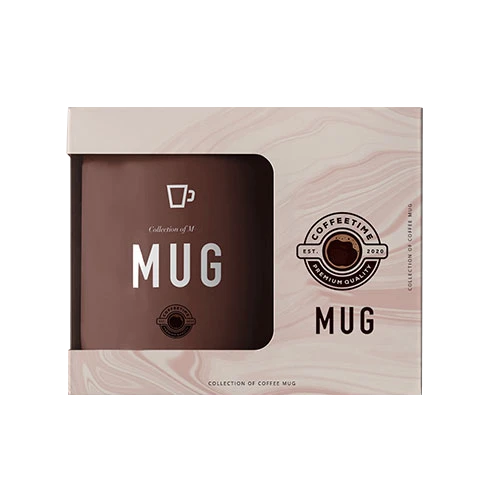
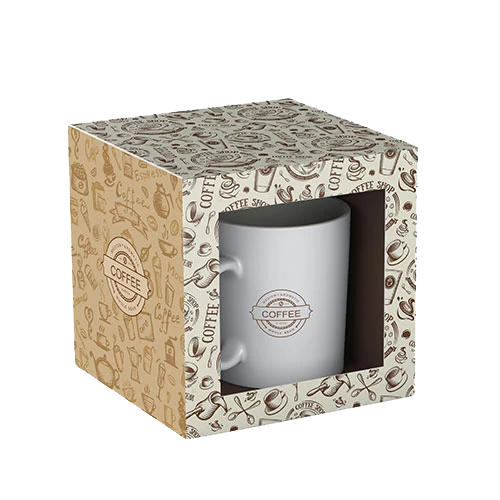
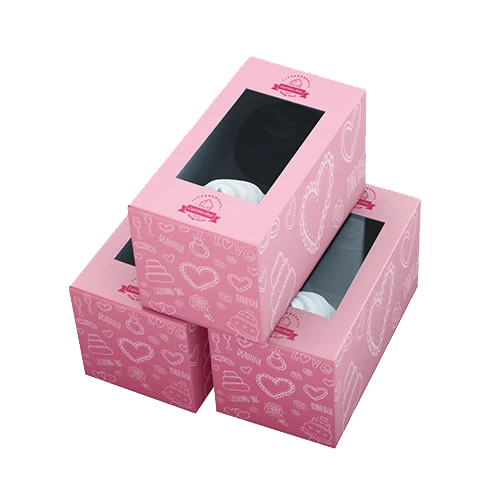
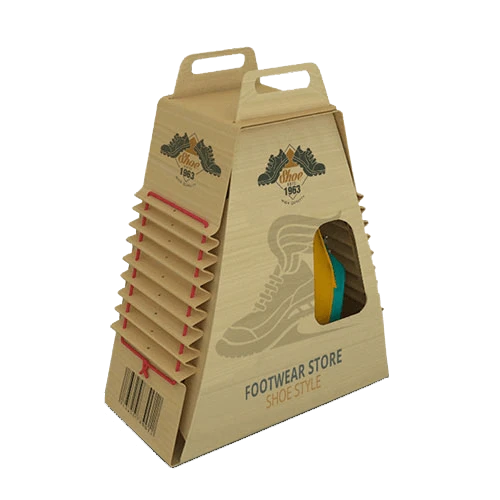
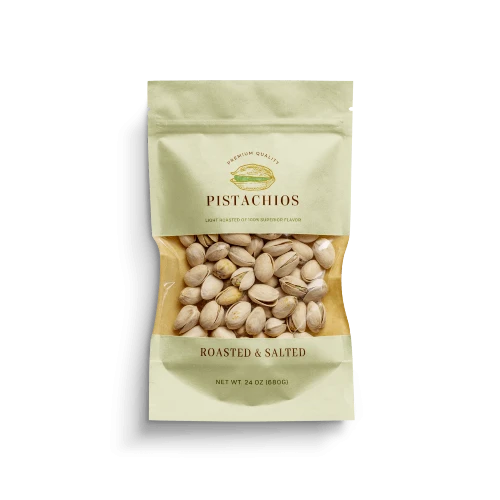
A window box features a die-cut opening covered with clear film, allowing shoppers to see the product without opening the package. Packagingblue produces custom window boxes in almost any window shape or size using cardstock, kraft, corrugated board, or rigid board. Every quote includes a free mockup and dieline, a flat box template used to prepare the artwork. For most retail products, we recommend starting with 12-16pt white cardstock and a simple rectangular window, as this is typically the most cost-effective option and may allow the use of existing tooling.
How Window Boxes Are Made
The opening is die-cut into the box panel, then a sheet of clear film is glued to the inside to cover it. This process, known as window patching, helps keep out dust and moisture, prevents loose products from falling through, and allows the box to remain sealed while the product stays visible. Because patching is completed during the standard production process, it usually does not extend the lead time.
The window can, however, affect recyclability. A window box combines paperboard with plastic film, which may need to be removed before the paperboard can be placed in curbside recycling. A box without film can generally go directly into paper recycling. Any recycling claim should therefore describe the complete package, not only the paperboard, and account for whether the window film must be removed first.
Window Shape and Size Options
Windows can be cut in almost any shape, from a simple circle, oval, or rectangle to a custom outline that follows the product. Standard shapes may use existing tooling, while custom shapes usually require a new cutting die. This involves a one-time tooling cost, making it more economical for packaging you plan to reorder than for a single seasonal run.
Consider these three factors before finalizing the design:
- Leave enough borders. Keep the window at least ¼ inch away from folds and glued edges. Cutting too close can weaken the crease and cause tearing during assembly.
- Limit the window size. If the window covers more than about half of a panel, the box may become noticeably weaker when stacked. For heavier products, use a smaller window or thicker board.
- Use corner windows carefully. A window can extend across two adjoining panels to provide a wider product view. However, removing material from the corner weakens the structure, so a thicker board may be needed.
Send us your product and box dimensions early, and we’ll confirm a suitable window size before any tooling is produced.
Where Window Boxes Work Best
A window is worth the added cost when seeing the product helps sell it.
- Food and candy. Windows let shoppers assess the freshness, appearance, and quantity of baked goods, cupcakes, donuts, and candy before buying.
- Soap and candles. A window can show the product’s color, texture, finish, and fill level, details that are difficult to communicate through printed images alone.
- Windows are particularly useful for cosmetics packaging because they allow shoppers to check the product’s shade or color without opening the box, helping reduce returns and in-store handling damage.
- Toys and gifts. Toy packaging and favor boxes often use custom-shaped windows that follow the outline of the product or create a more playful presentation.
When a Window Isn’t the Right Choice
A window is not suitable for every product. We would usually recommend another packaging format in the following situations:
- The product is sensitive to light. Prolonged exposure to store lighting can cause chocolate to bloom and may degrade cosmetics containing light-sensitive active ingredients. A smaller window, or a printed product image, may be safer than a full-panel opening.
- The product needs a moisture or oxygen barrier. Window film helps keep out dust and prevents loose contents from falling through, but it does not provide the barrier protection required to preserve freshness. If shelf life is the priority, use a sealed mylar bag, either on its own or inside a printed window carton.
- The product is heavy or will be stacked. Every window removes some of the board that gives the box its strength. For dense products or cartons stored in stacked cases, use a smaller window or thicker board.
- The product varies in appearance. Handmade soap, baked goods, and other naturally varied products may not look identical. A window allows shoppers to compare individual units, which can make slight differences more noticeable.
- The reveal is part of the experience. With premium and gift packaging, opening the box is often part of the product’s appeal. A window can reveal too much too soon. A sleeve box provides a more controlled reveal while preserving the unboxing experience.
Production Tolerances: What to Expect
Printing, die-cutting, and folding involve a small amount of mechanical movement. Understanding these normal production tolerances will help you create artwork and packaging that still look and function correctly when minor variation occurs.
- Window-film overlap: The clear film must extend beyond the opening on all sides to provide enough surface area for secure attachment. Avoid artwork, folds, perforations, and glue seams within this patching area.
- Film position: The film patch may shift slightly during application. Its finished size should include enough overlap so the opening remains fully covered despite normal movement.
- Film wrinkles: Minor rippling or surface variation may occur, particularly with large windows or thin films. Very large openings may require thicker film for a flatter appearance.
- Film clarity: Clear film may show slight haze, reflections, or fine surface marks under certain lighting. It should not be expected to look completely invisible.
- Adhesive visibility: A narrow adhesive line may be visible around the inside edge of the window, especially on light-colored or transparent film. Keep the patching area away from the visible opening.
- Product alignment: The product may move behind the window unless it fits closely or is secured with a box insert. Allow enough positional tolerance so small movement does not leave the product partly hidden.
If any of these tolerances could affect how your packaging looks, closes, or holds the product, tell us before artwork preparation begins. We can usually adjust the structure or design to accommodate your requirements.
How to Design a Window Box
Plan the window, artwork, and product position together so the product remains visible and the finished box looks balanced.
- Approve the dieline first. Finalize the window’s size and position before preparing the artwork. This prevents logos, text, and graphics from having to be moved later.
- Allow for cutting movement. Avoid printed borders that must align exactly with the window edge. Minor movement during die-cutting can make these borders appear uneven.
- Design around the visible product. Consider how the product’s color, shape, and label will appear through the opening. Make sure the surrounding artwork complements rather than obscures what shoppers will see.
- Keep the product in position. If the product can move inside the box, use a packaging insert to hold product securely behind the window throughout shipping, handling, and shelf display.
- Check window-film clearance. Leave enough flat space around the inside of the opening for the film to be securely attached without interfering with folds, glue areas, or assembly.
How to Order Custom Window Boxes
- Tell us what you need. Send us your product dimensions, required quantity, and details about how the product will be stored and displayed.
- Receive a free quote and dieline. We’ll recommend a suitable box structure and provide a dieline showing the proposed window size and position.
- Prepare your artwork. Supply print-ready vector files with fonts outlined and images embedded. If you do not have finished artwork, our design team can create or prepare it for production.
- Approve the proof. The proof shows the placement of your artwork, folds, cuts, and window so you can check how everything aligns before production.
- We print and ship your boxes. Folding cartons and corrugated boxes arrive flat, with the clear film fitted and folds pre-scored for assembly without tape or tools.
Start Your Custom Window Box Project
Whether you have finished artwork or only an initial idea, our team can help develop a window box that presents your product clearly. We’ll guide you through the box structure, window placement, materials, and artwork to create packaging suited to your product and retail display. Request a Free Quote
|