

Food Packaging
FAQ'sSpecifications Description Reviews |
|
Q:
What types of food packaging can be manufactured?A:
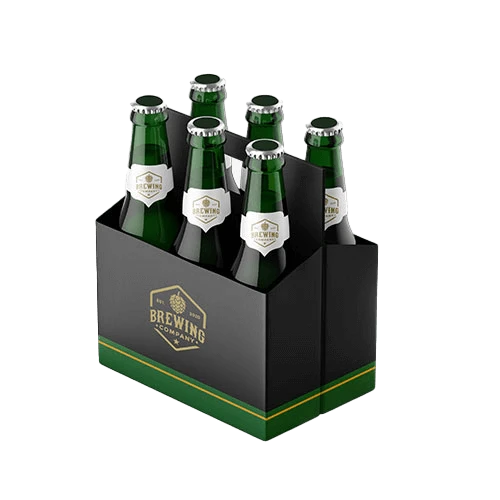
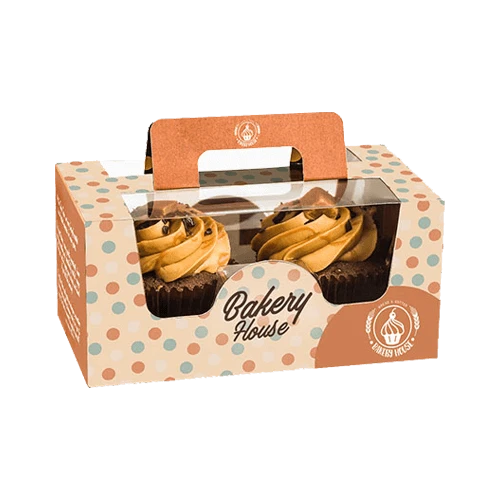
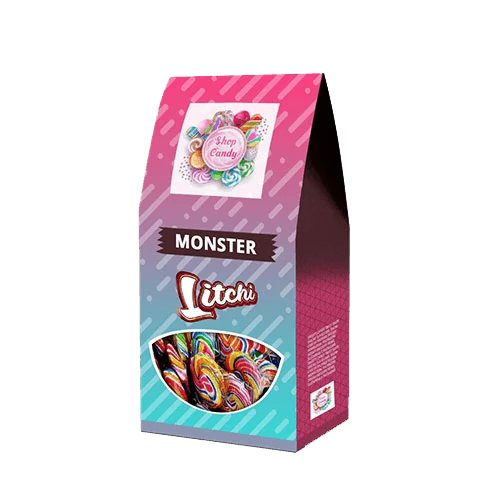
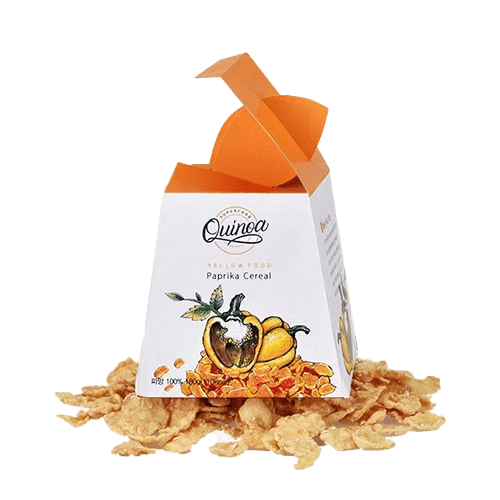
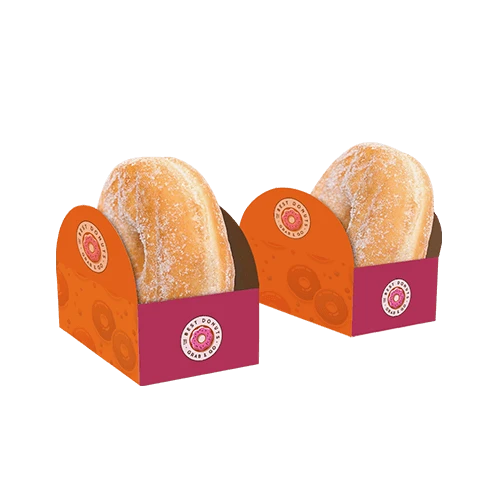
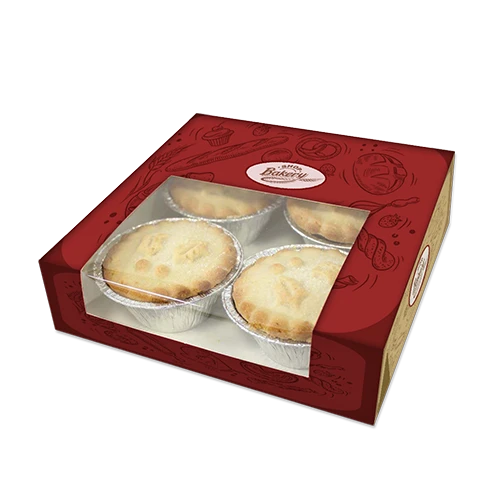
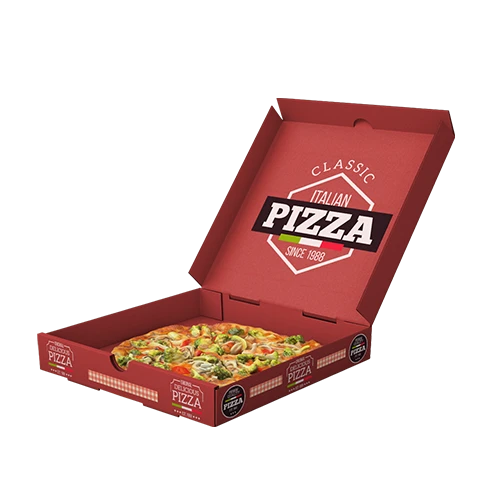
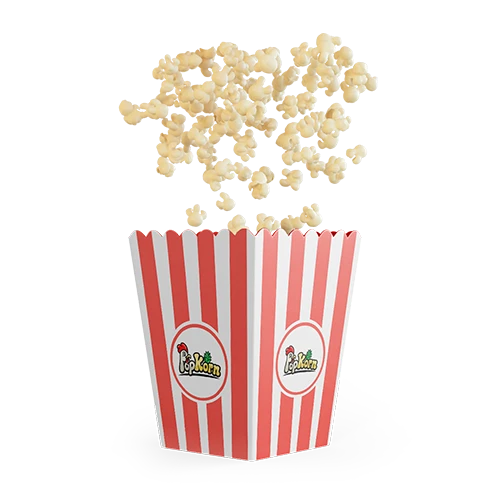
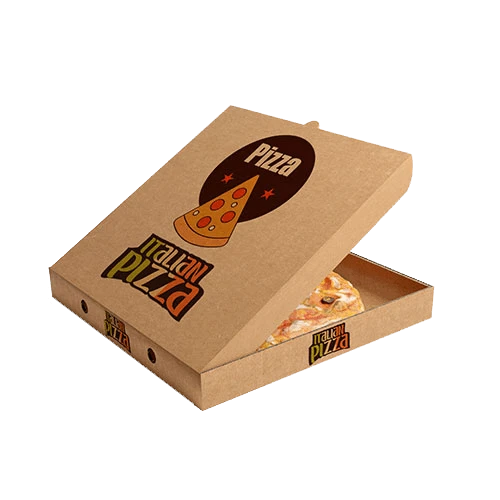
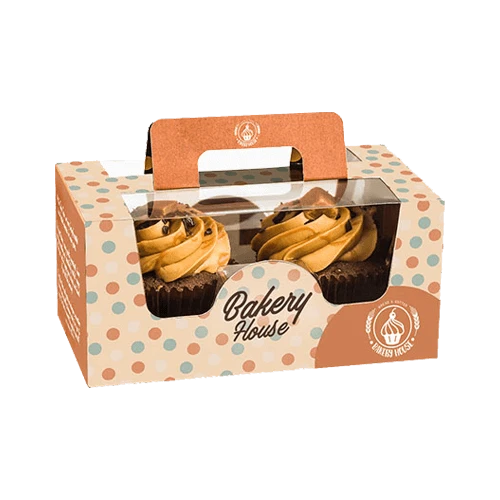
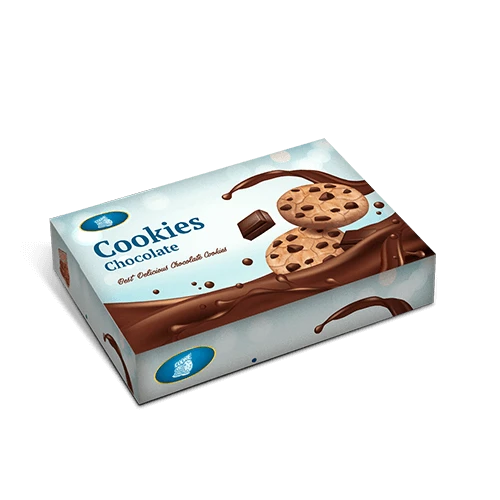
Food packaging can be produced in formats such as folding cartons, corrugated boxes, trays, pouches, and window boxes for items like snacks, baked goods, produce, and prepared meals. Structure and sizing are matched to product type, shelf life, and handling requirements. Q:
Are food-grade materials used for manufacturing packaging by default?A:
Food-grade materials are not automatically included in standard packaging production and must be specifically requested during planning. Customers should clearly communicate direct food-contact requirements, potential moisture exposure, and storage conditions so that suitable materials and coatings can be selected before production begins. Q:
How does food packaging support freshness and shelf life?A:
Material selection, sealing methods, and structural design all contribute to maintaining product freshness during storage and transport. Barrier coatings, proper ventilation where needed, and secure closures help preserve quality from production through final delivery to the customer. Q:
What materials are commonly used for food packaging?A:
Kraft board, coated paperboard, and corrugated stock are commonly used for food packaging depending on product weight and moisture exposure. Material choice supports structural strength, print clarity, and suitability for the specific food category being packaged. Q:
Can food packaging be designed for seasonal menu items?A:
Yes, food packaging can be refreshed seasonally with limited artwork, holiday themes, or promotional messaging while keeping the core structure consistent. This allows restaurants and food brands to stay visually current without frequent structural redesign costs or delays. Q:
What printing methods are used for food packaging?A:
Offset and digital printing are both suitable for food packaging depending on order volume and artwork complexity. These methods support accurate colors, sharp graphics, and consistent branding, helping food products maintain a professional, recognizable appearance on shelves. Q:
What finishing options are available for food packaging?A:
Matte lamination, gloss lamination, and spot UV coating are popular finishing options for food packaging. These enhancements improve visual appeal and surface durability while helping packaging maintain a clean, professional look through handling, storage, and display. Q:
Can food packaging include required regulatory information?A:
Yes, food packaging can be designed to include ingredients, nutritional facts, allergen warnings, batch codes, and barcodes as required. Layout planning helps organize this information clearly while preserving a clean, professional appearance and ensuring readability for customers and inspectors alike, supporting compliance with applicable food labeling regulations. Q:
Are eco-friendly options available for food packaging?A:
Recycled board, FSC-certified stock, and compostable coating options can be incorporated into food packaging upon request. These choices support sustainability initiatives while maintaining structural strength, print quality, and dependable performance across food service and retail applications. Q:
Can food packaging include inserts or dividers?A:
Yes, custom inserts and dividers can be added to organize multiple food items, prevent shifting, and maintain a neat presentation inside the package. The insert layout is planned around the product's size and shape for a secure, accurate fit. Q:
How does food packaging support takeout and delivery use?A:
Food packaging designed for takeout and delivery focuses on secure closures, leak resistance, and stackable structures that maintain food quality during transit. Thoughtful design helps preserve temperature, prevent spills, and support a positive unboxing experience upon arrival. Q:
What should be shared before ordering food packaging?A:
Sharing accurate product dimensions, food contact requirements, and branding expectations early in the process supports efficient structural planning. This upfront communication helps ensure consistent production results and a smoother, more predictable development experience overall. Q:
Can food packaging help reinforce brand identity across products?A:
Yes, consistent structural design, color palettes, and finishing treatments can be applied across a food brand's full packaging range. This unified approach strengthens recognition while still allowing flexibility for product-specific sizing, labeling, and artwork variations. Q: Why should I switch to cardboard food packaging?A: Cardboard food packaging can help protect food items from the elements and tampering. In addition, food packaging can also help in transporting food items to grocery stores or to customers’ homes. Q: What styles are available for food packaging?A: We produce a wide range of cardboard food packaging custom shapes and sizes. Some of the packaging styles include: Q: Is there a minimum order quantity for custom food packaging orders?A: No, there is no minimum order amount for custom food packaging. You can order as few boxes as you like. However, due to initial costs associated with setting up a print job, ordering larger quantities typically results in a lower per unit cost. Q: Can you send me samples of your food packaging?A: We can send samples of our recent print orders. Please send us a sample request and our sales representative will be in touch so that appropriate food packaging samples can be sent to you. Q: Who is responsible for developing regulations that govern food packaging and labeling in the United States?A: Food and Drug Administration (FDA) is responsible for developing primary regulations that oversee food packaging and labeling in the United States. These regulations are in place to guarantee the accurate labeling of food products, including essential information like nutritional facts, ingredient lists, allergen declarations, and truthful health claims. Q: What details are required to be disclosed on food labels affixed to products sold in the United States?A: As mandated by the Federal Trade Commission, and in accordance with the Fair Packaging and Labeling Act, food labels are required to contain specific informational elements. These informational elements include the product's name, net quantity of contents, ingredients, allergen details, nutritional facts, and the manufacturer's contact information. Additional labeling requirements are applicable for claims such as organic, gluten-free, and health claims. |