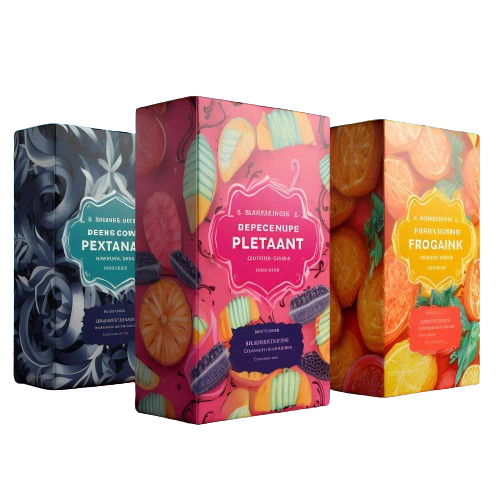


How to Choose the Right Product Packaging Box: A Complete Guide for Retail & E-Commerce Brands
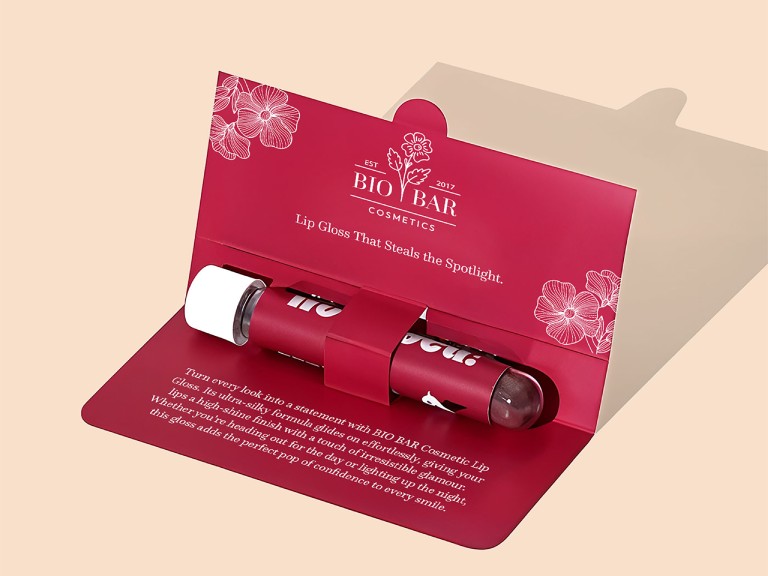
Product packaging boxes serve far more than a basic containment purpose. Product boxes safeguard products during storage and transportation, represent the brand visually, shape customer perception, and influence purchasing decisions. In both retail and e-commerce environments, product packaging often becomes the first tangible interaction customers have with a brand. Thoughtfully designed packaging enhances product presentation, creates a memorable unboxing experience, and reinforces brand recognition.
Selecting the ideal product packaging box requires evaluating several practical and strategic factors. Businesses must consider the product’s dimensions, weight, and fragility; the packaging material's durability; the desired branding and design elements; and whether the product will be displayed in stores or shipped directly to customers. Sustainability is also becoming an important consideration, as many brands now prefer recyclable or eco-friendly packaging materials. In most retail settings, paperboard folding cartons are widely used for their excellent print quality and cost efficiency. At the same time, corrugated mailer boxes are preferred for shipping and e-commerce due to their strength and protective structure.
An effective packaging strategy begins with understanding the product’s physical and environmental requirements. Each product has unique packaging needs depending on its size, weight, fragility, and shelf life. Businesses should evaluate key factors, such as product dimensions, handling conditions, storage environments, retail display requirements, and shipping distances, before designing packaging. For instance, cosmetic products often use lightweight paperboard cartons to achieve high-quality printing and strong shelf appeal, whereas sturdier corrugated boxes, combined with protective inserts, ensure safe transport for electronics and other delicate items. By identifying these requirements early, companies can develop packaging solutions that protect the product effectively while maintaining efficiency in production, logistics, and cost management.
Packaging Materials for Product Boxes
Selecting the right packaging material is one of the most important decisions in product packaging design. The material determines durability, print quality, environmental impact, and production cost.
|
Packaging Material |
Typical Thickness / Structure |
Best Used For |
Key Benefits |
Common Applications |
|---|---|---|---|---|
|
Paperboard (Folding Cartons) |
16pt – 24pt SBS or kraft board |
Retail packaging |
Excellent print quality, lightweight, recyclable, and cost-efficient |
Cosmetics, supplements, pharmaceuticals, consumer goods |
|
Corrugated Board |
Fluted structure (E-flute, B-flute, C-flute) |
Shipping and protective packaging |
Strong, durable, cushioning protection, good for stacking |
E-commerce shipments, subscription boxes, electronics, and fragile products |
|
Rigid Boxes |
Thick chipboard wrapped with printed paper |
Premium retail packaging |
Luxury appearance, sturdy structure, premium unboxing experience |
Perfumes, jewelry, electronics, gift packaging |
Types of Product Packaging Boxes for Retail and E-Commerce
Different packaging structures serve different purposes depending on product type and sales channels.
Common packaging box styles include:
- Tuck-end product boxes are an excellent choice for cosmetics, pharmaceuticals, and retail products.
- Corrugated mailer boxes are used for subscription boxes and secure e-commerce shipping.
- Rigid magnetic boxes are recommended for premium packaging and luxury products.
- Two-piece rigid boxes are ideal for gift packaging and high-end products.
- Display boxes are widely used on retail shelves and at the point of sale.
Selecting the correct box style improves usability, protection, and visual presentation.
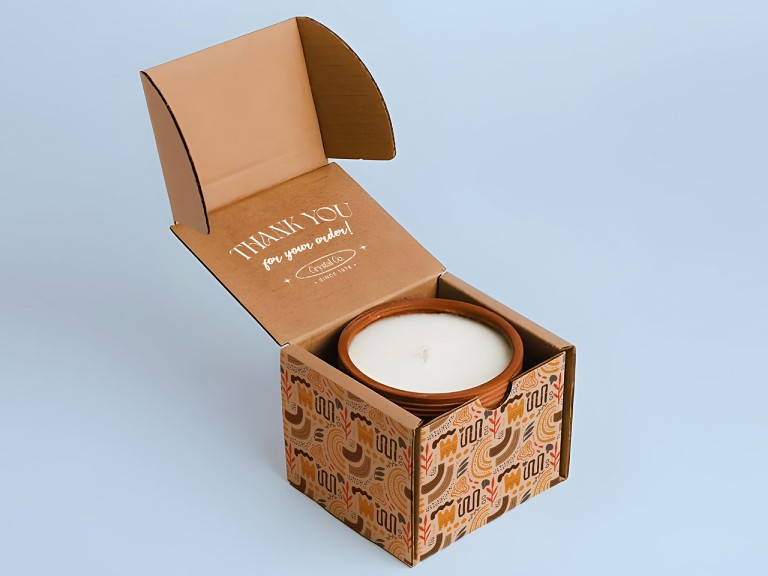
Packaging Design and Branding Strategies for Product Boxes
Packaging design is one of the most powerful branding tools for product-based businesses. Well-designed product packaging protects the product and helps products stand out on crowded retail shelves. Consistent packaging design strengthens brand recognition and creates a memorable customer experience, especially when customers first interact with the product.
A strong packaging strategy focuses on both visual presentation and brand consistency. Businesses should ensure that packaging design aligns with their brand identity across all products and marketing materials. Important design elements that influence packaging effectiveness include:
- Consistent brand colors that reflect brand identity
- Clear and recognizable logo placement
- Accurate and easy-to-read product information
- Well-structured typography and visual hierarchy
- Attractive graphics and imagery that capture attention
Printing technology also plays a key role in packaging quality. Offset printing is widely used for large production runs because it delivers sharp details and vibrant colors, while digital printing is ideal for smaller quantities, customization, and rapid prototyping.
In addition to printing, premium finishing techniques can further enhance packaging presentation and perceived product value. These finishes include foil stamping for metallic effects, embossing or debossing for textured surfaces, spot UV coating for glossy highlights, and matte or soft-touch laminations that create a luxurious feel. When combined effectively, these design and branding strategies transform packaging into a powerful marketing asset that strengthens brand recognition and customer engagement.
Premium finishing techniques can further enhance packaging presentation.
Common finishing options include:
- Foil stamping for metallic effects
- Embossing and debossing for texture
- Spot UV coating for glossy accents
- Matte or soft-touch lamination for a luxury feel
These finishing elements transform packaging into a strong marketing asset.
How Packaging Protects Products During Shipping and Handling
The primary function of packaging is to protect the product throughout storage, handling, and transportation. Even the most visually appealing packaging loses its value if the product arrives damaged. To ensure safety during transit, businesses often use protective packaging to stabilize products within the box and minimize movement.
Common protective features include:
- Custom paperboard inserts
- Foam cushioning
- Molded pulp trays
- Dividers for multiple items
- Tamper-evident packaging seals
These elements help secure products within the packaging and reduce the risk of damage during shipping and handling.
At the same time, custom product packaging must also be designed with shipping efficiency in mind. This is particularly important for e-commerce businesses, where shipping carriers often calculate costs based on dimensional weight. Oversized packaging can significantly increase shipping expenses, even for lightweight products.
To optimize packaging for shipping, designers typically focus on several key principles:
- Creating box sizes that closely match product dimensions
- Minimizing unused space inside the package
- Reducing overall packaging weight
- Maintaining sufficient stacking strength for transportation
Corrugated mailer boxes are ideal for e-commerce product packaging because they provide strong protection and serve as branded shipping containers. This combination of durability and branding makes them an efficient solution for online retailers looking to protect products while controlling shipping costs.
Sustainable Packaging Options for Modern Brands
Sustainable packaging has become increasingly important for both brands and consumers as businesses seek to reduce their environmental impact. Many companies are adopting environmentally responsible packaging solutions by using recyclable paperboard, minimizing unnecessary packaging layers, incorporating biodegradable materials, and printing with eco-friendly inks. Eco-friendly packaging improved brand value, helps reduce waste, and conserves resources while maintaining product protection and presentation. In addition to benefiting the environment, sustainable packaging also strengthens brand reputation, as more consumers prefer products packaged in eco-friendly and responsibly sourced materials.
How to Measure Packaging Boxes Correctly
Accurate box measurement ensures products fit properly while minimizing shipping costs.
Packaging boxes are measured in the following order:
Length × Width × Height
- Length represents the longest side of the box opening.
- Width represents the shorter side of the opening.
- Height represents the box's vertical depth.
Correct measurements help avoid oversized packaging and improve shipping efficiency.
Common Packaging Mistakes Businesses Should Avoid
Many companies make packaging mistakes when launching new products. These mistakes often increase costs or reduce packaging performance.
Common packaging mistakes include:
- Selecting oversized boxes that increase shipping costs
- Choosing materials that are too weak for the product's weight
- Ignoring protective inserts for fragile products
- Overcrowding packaging with excessive graphics
- Overlooking sustainability considerations
Avoiding these mistakes helps businesses create packaging that performs well both visually and structurally.
Packaging Testing Methods Before Mass Production
Before committing to large production runs, businesses should test packaging prototypes under real-world conditions.
Important packaging tests include:
- Drop testing
- Compression testing
- Shipping simulations
- Shelf display testing
Testing ensures packaging performs properly during transportation and storage.
The best product packaging box depends on the product’s size, fragility, branding requirements, and shipping conditions. Retail products typically use paperboard folding cartons because they offer excellent print quality and cost efficiency. E-commerce shipments rely on corrugated mailer boxes for added protection, while luxury products often use rigid boxes to enhance the unboxing experience.
Frequently Asked Questions for Product Packaging
Q: What packaging box is best for retail products?
A: Paperboard folding cartons are widely used for retail products because they provide excellent printing quality, lightweight construction, and cost-efficient production.
Q: What packaging box is best for shipping products?
A: Corrugated mailer boxes are the most suitable packaging solution for shipping because they provide durability and cushioning.
Q: How do I choose the correct packaging box size?
A: Packaging boxes should closely match the product dimensions while minimizing empty space. Proper sizing improves protection and reduces shipping costs.
Packaging Design & Printing Services
Packagingblue offers customized commercial printing solutions to meet your business needs. Our expert team delivers top-notch design and printing services that exceed expectations. Contact us today for a free consultation.