

Beverage Packaging
FAQ'sSpecifications Description Reviews |
|
Q:
What types of beverage packaging can be custom-manufactured?A:
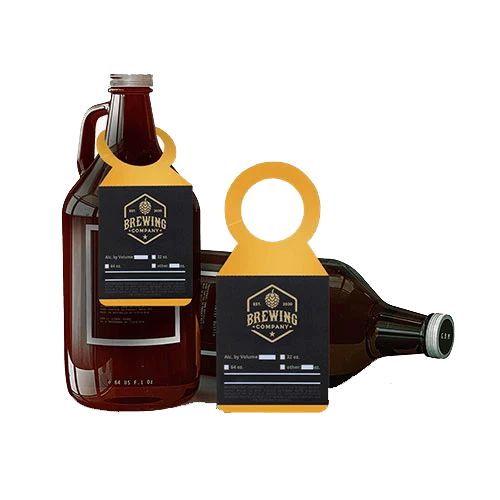
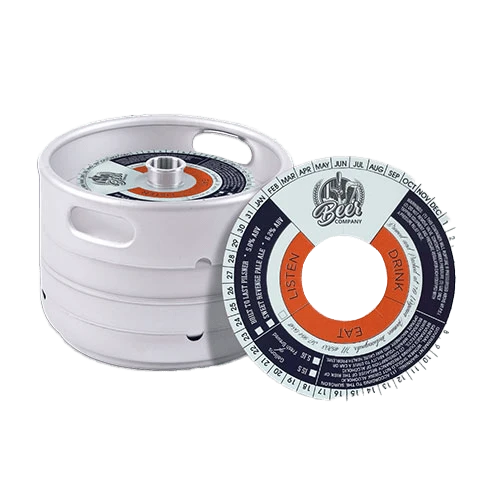
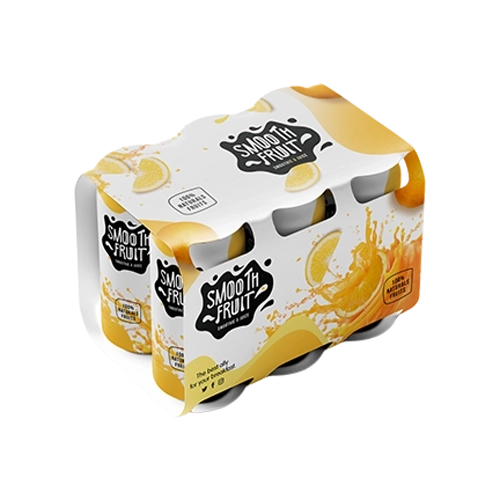
Beverage packaging can include cartons, multipacks, sleeves, and rigid boxes designed to hold one or multiple units. Each structure is planned for durability, ease of handling, and an appealing shelf presence that enhances brand visibility. Q:
What materials are commonly used for beverage packaging?A:
Paperboard, corrugated board, and recyclable cardstocks are commonly used, selected based on the product type, weight, and storage requirements. Choosing the right material ensures structural integrity, product safety, and a consistent presentation. Q:
Can beverage packaging be fully customised?A:
Yes. Packaging can be tailored in size, shape, artwork, finishes, and structural design. Custom inserts, dividers, or protective layers can be included to organize multiple units and enhance unboxing and consumer convenience. Q:
What printing and finishing options are available for beverage packaging?A:
Full colour printing, foil stamping, embossing, matte or gloss lamination, and spot UV can be applied to elevate visual appeal. Proper finishing ensures graphic clarity and a polished tactile feel while supporting long-lasting presentation. Q:
How does beverage packaging support product protection?A:
Properly designed packaging keeps bottles, cans, or cartons secure during transport and display. Inserts, dividers, and sturdy board structures reduce movement and protect fragile or high-value products, enhancing customer satisfaction. Q:
How can beverage packaging enhance branding?A:
Custom graphics, finishes, and structural designs create an immediate shelf impact and communicate quality. Thoughtful packaging can tell a brand story, guide consumer perception, and reinforce brand identity at the point of purchase. Q:
How long does production usually take for beverage packaging?A:
Standard production time is 10 to 12 working days after final artwork approval. Complex structures, multi-unit inserts, or specialty finishes may require additional time to ensure precise folding, assembly, and finishing. Q:
How can brands balance cost efficiency with a premium presentation?A:
Strategic choices in materials, selective finishing, and optimized insert design allow a polished, durable package without unnecessary cost. Thoughtful planning ensures both visual impact and production efficiency. Q:
Can beverage packaging include windows or cutouts?A:
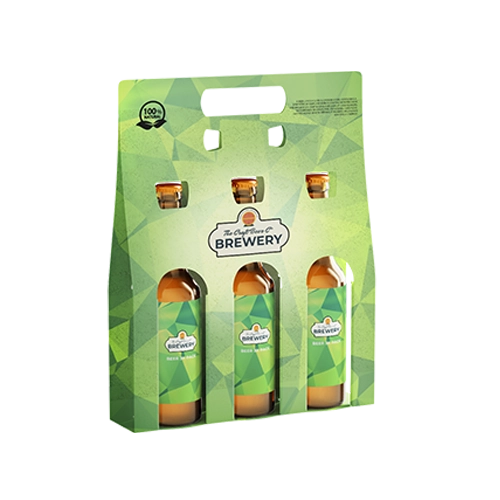
Yes. Transparent windows or die-cut openings can be incorporated to showcase products while maintaining protection. Proper planning ensures that these features enhance the display without compromising box strength. Q:
How does structural design affect consumer experience?A:
Packaging that is easy to open, transport, and display improves usability while reinforcing brand quality. Well-engineered structures foster positive interactions, enhancing customer satisfaction and repeat purchases. Q:
What types of inserts can be included for multipack beverage packaging?A:
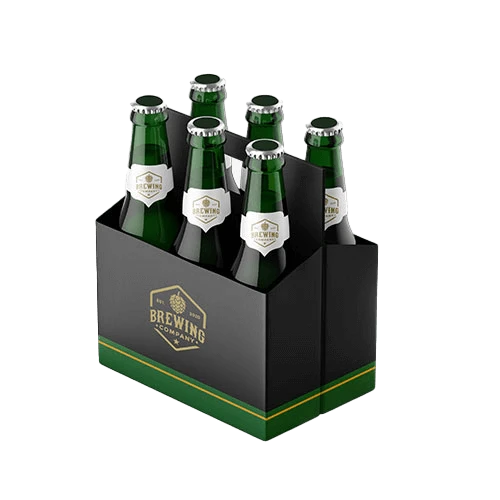
Inserts can be designed from cardboard, molded pulp, or foam to separate bottles or cans, providing secure placement and reducing movement. Custom inserts improve presentation and protect the product during shipping and handling. Q: What is Beverage Packaging?A: Beverage packaging is used to hold canned or bottles beverages and is commonly referred to as 4 Pack or 6 Pack Beverage Carriers. This product is a simple one-piece concept with beverage slots for easy access and optimal product presentation. Q: What material is used to produce Beverage Packaging?A: Beverage Carriers can be produced with different types of corrugated and paperboard material options. This product does not require FDA certification or food-safe coatings as it is not intended to be in direct contact with edibles. Q: Which parts or sides of beverage cartons can I customize?A: All sides of the cartons are fully customisable — front, back, top, bottom, outside, and inside. Inside printing does require an additional charge. Please work with your account representative to discuss any specific requirements. Q: How long does it take to produce custom beverage cartons?A: Orders for a sample beverage carrier or box can take 6-8 business days to produce depending on the complexity of the design.
Q: Are there any limitations and restrictions regarding the shape or design of beverage packaging in Australia?A: While there are no explicit constraints, the packaging must ensure safety and appropriateness for its intended purpose and avoid misleading consumers. Q: Which languages are recommended for use on beverage packaging in Australia?A: Mandatory information on beverage packaging must be presented in English. Additional languages can also be included as needed to facilitate consumers. Q: Are there any rules regarding allergen labeling for beverage products?A: Yes, according to the regulations set by Food Standards Australia New Zealand (FSANZ), allergens must be clearly indicated on the packaging labels. This requirement is applicable even if such allergens are actual components of an ingredient within the beverage. It is advisable to seek guidance from experts in food regulations to ensure full compliance with this and other such food safety requirements. |