

Cardboard Trays
FAQ'sSpecification Description Reviews |
|
Q:
What are cardboard trays commonly used for?A:
Cardboard trays are widely used in food service, retail display, and e-commerce packaging for items like baked goods, produce, and product assortments. Their open structure improves visibility, simplifies handling, and supports fast, efficient checkout or self-serve environments. Q:
What is the minimum order quantity for trays?A:
Low minimum order quantities are available for cardboard trays, supporting small businesses, seasonal promotions, and one-time retail needs. Production planning can also accommodate larger recurring orders, giving brands flexibility as demand grows or shifts throughout the year. Q:
How are cardboard trays structurally designed for stacking?A:
Cardboard trays are engineered with reinforced edges and flat, stable bases that allow secure stacking during storage, transport, and retail display. This structural approach helps maintain product organization while reducing shifting or collapsing under moderate weight loads. Q:
Can cardboard trays support bakery and café displays?A:
Yes, cardboard trays are a popular choice for bakeries and cafés, offering an open format that showcases pastries, sandwiches, and baked goods attractively. Custom sizing and branding help create a cohesive, inviting counter or grab-and-go presentation. Q:
What materials are used to manufacture cardboard trays?A:
Cardboard trays are commonly manufactured using corrugated board, kraft stock, or coated paperboard depending on weight capacity and intended use. Material selection supports structural strength, print clarity, and reliable performance across food service, retail, or shipping applications. Q:
Are food-grade materials available for cardboard trays?A:
Food-grade materials are not automatically included in standard cardboard tray production and must be specifically requested during the planning stage. Customers should clearly communicate all food-contact requirements, including whether trays will hold unwrapped or ready-to-eat items, so that suitable materials, coatings, and compliance standards can be properly aligned before production begins, supporting safe and compliant packaging outcomes. Q:
How long does production take for cardboard trays?A:
Standard turnaround is 10 to 12 working days after artwork approval for cardboard trays. Custom die-cut structures, specialty coatings, or added compartments may require slightly more time to ensure accurate manufacturing, consistent finishing, and reliable overall production quality. Q:
What printing options are available for cardboard trays?A:
Offset and digital printing are both suitable for cardboard trays, depending on order volume and artwork complexity. These methods support vibrant colours, sharp graphics, and consistent branding, helping trays stand out across busy retail or food service settings. Q:
Are eco-friendly options available for cardboard trays?A:
Recycled board, FSC-certified stock, and biodegradable coating options can be incorporated into cardboard tray production upon request. These choices support sustainability goals while maintaining structural strength, print quality, and dependable performance across food service, retail, and shipping applications. Q:
What finishing options improve cardboard tray presentation?A:
Matte lamination, gloss lamination, foil stamping, and spot UV coating are popular finishing options for cardboard trays. These enhancements improve visual appeal and durability while helping trays maintain a clean, professional look during handling and display. Q:
Can cardboard trays include dividers or compartments?A:
Yes, custom dividers and compartments can be added to cardboard trays to organize multiple items, prevent shifting, and support a neater presentation. Compartment layout is planned around product size, shape, and quantity for an accurate, secure fit. Q:
How do cardboard trays improve e-commerce shipping stability?A:
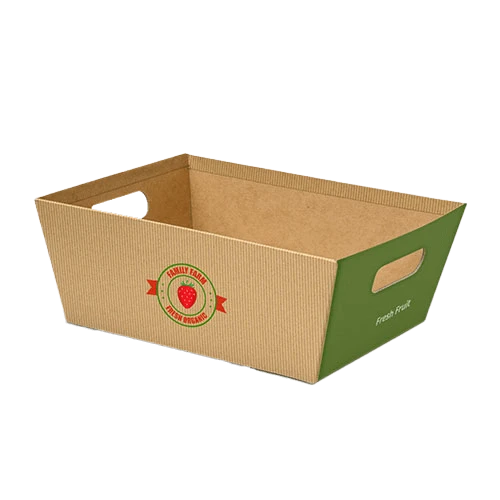
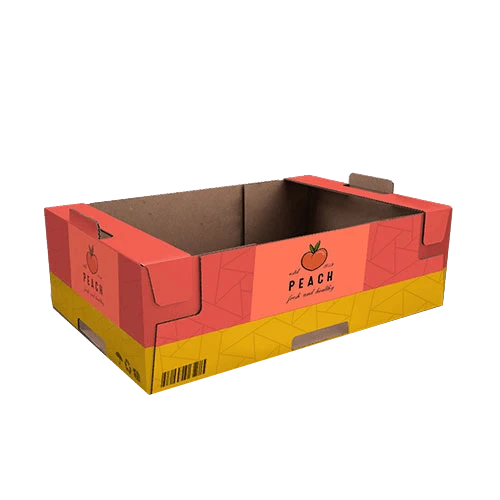
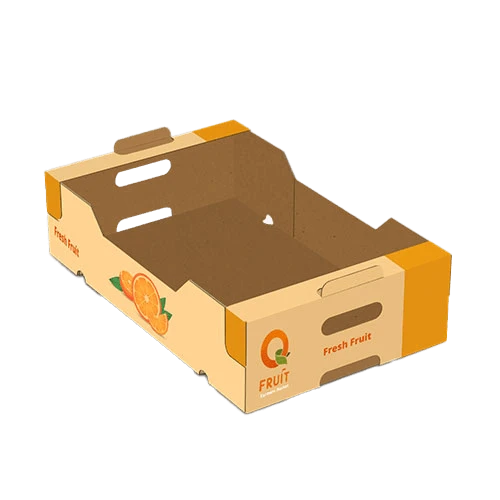
Cardboard trays help stabilize products during e-commerce shipping by holding items securely in place and supporting consistent positioning inside larger shipping boxes. This added structure supports safer transit, improves efficiency, and creates a more organized unboxing experience for customers. Q: What are cardboard trays?A: Coverless cardboard trays are great for packaging bottles or parts containers. Trays are available in stock and die cut styles and you can make them as plain or as fancy as you want them with full colour printing and other personalization options. Q: Are cardboard trays durable?A: Being made of cardboard, these trays will be able to handle moderate loads without bowing or bending. Your design consultant can help you find the appropriate solution for your particular requirements. Q: What can I do if I am not satisfied with the final result?A: Your satisfaction is very important to us! In the unlikely event of defects with your order, we will work with you to rectify any issues related any production process. Please contact your sales representatives with any issues. Q: Is there a minimum order quantity for cardboard trays?A: No, there is no minimum order for cardboard trays. You can order as few or as many trays as you like. Ordering a few cardboard trays is perfect if you would like a sample to check out before committing to a larger order. However, due to initial costs involved in setting up a print job, ordering bigger quantities will typically result in a lower per unit cost. |